OUR APPROACH
Follow the evidence. Make the assumptions visible.
Environmental decisions often depend on datasets created for different purposes, at different spatial scales, and under different reporting frameworks. DSS helps clients see where those sources align—and where they do not.

Building Practical Modeling Capacity with Pennsylvania DEP
The Pennsylvania Department of Environmental Protection engaged Delmarva Sustainability Solutions to help staff use Chesapeake Bay modeling tools with greater confidence and consistency. DSS developed tailored training on CAST scenario design, agricultural nutrient-input algorithms, output interpretation, and quality assurance—translating complex modeling concepts into repeatable workflows, practical exercises, and decision-ready documentation.
The partnership combines technical instruction with hands-on coaching, helping staff understand not only how to run a scenario, but also how to test assumptions, recognize limitations, document decisions, and communicate results defensibly.

Strengthening the Science Behind Poultry Litter Data
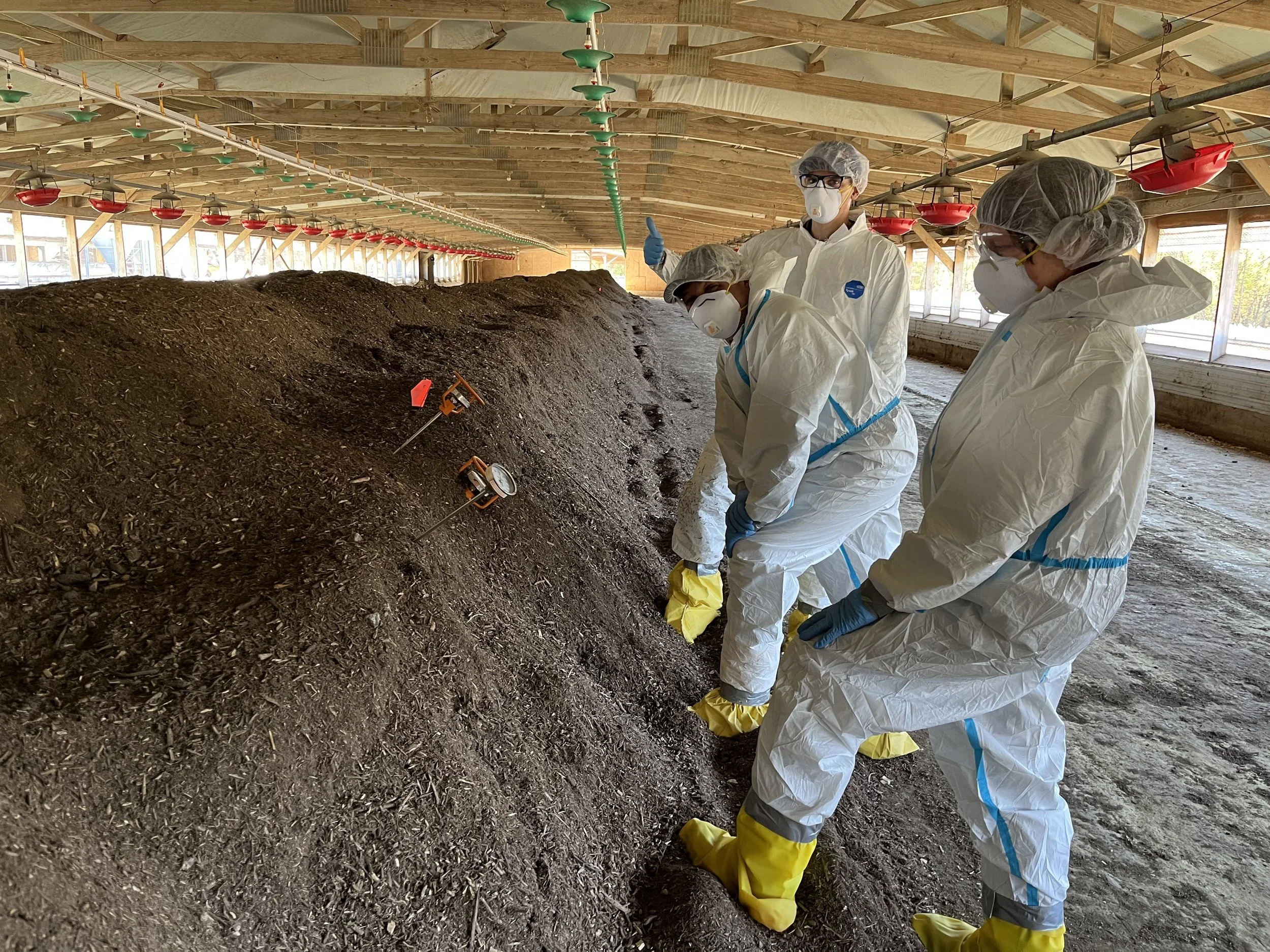
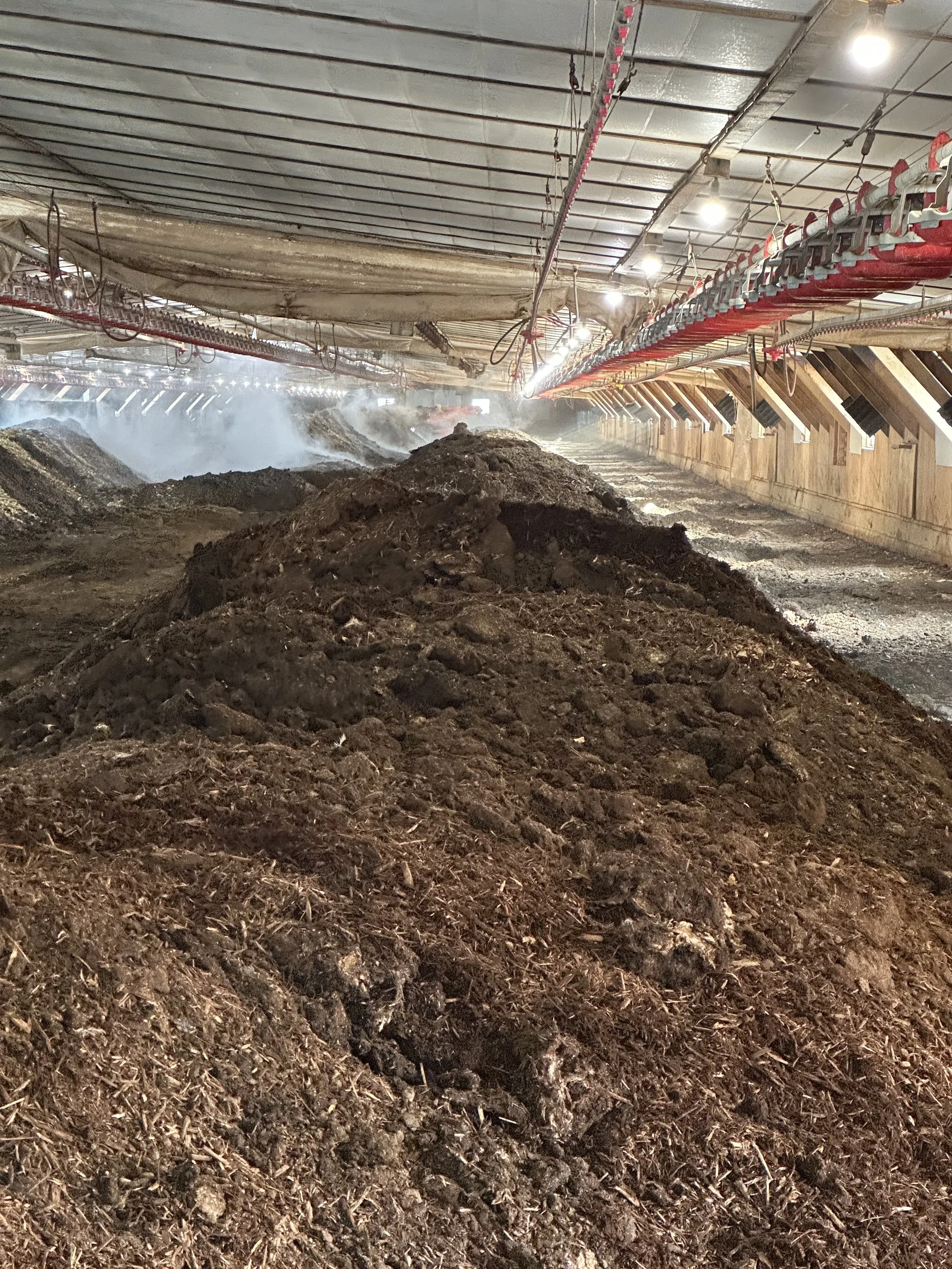
With support from the U.S. Poultry & Egg Association and collaboration from the Delmarva Chicken Association members, DSS produced more representative data on poultry litter production and nutrient content.
DSS brought a credible, well-documented dataset that can strengthen research, nutrient-management planning, environmental modeling, and future decisions affecting Delmarva’s poultry industry.

Bringing Real-World Poultry Expertise to Complex Litigation
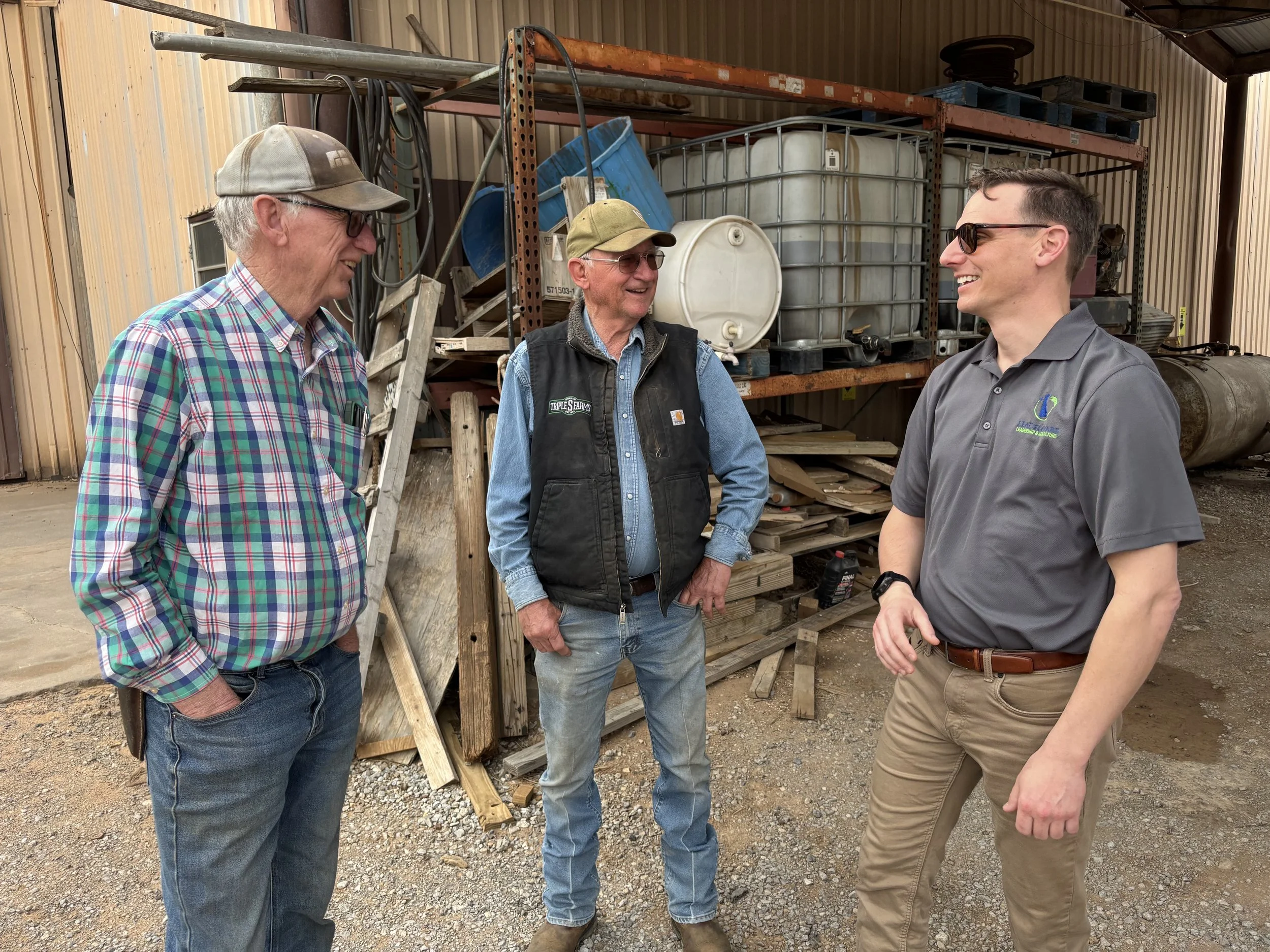
In a confidential poultry-related legal matter, DSS helped counsel evaluate technical claims involving farm operations, litter management, environmental conditions, and the respective responsibilities of growers, integrators, applicators, and service providers. The work included field inspections, records review, stakeholder interviews, technical analysis, and preparation for testimony.
DSS translated complicated production practices into clear, defensible explanations while distinguishing what individual parties controlled from what they could merely influence. By combining scientific rigor with firsthand knowledge of agricultural operations, DSS helped the legal team identify important evidence, test assumptions, and understand how industry practices function beyond the written record.